edgecam
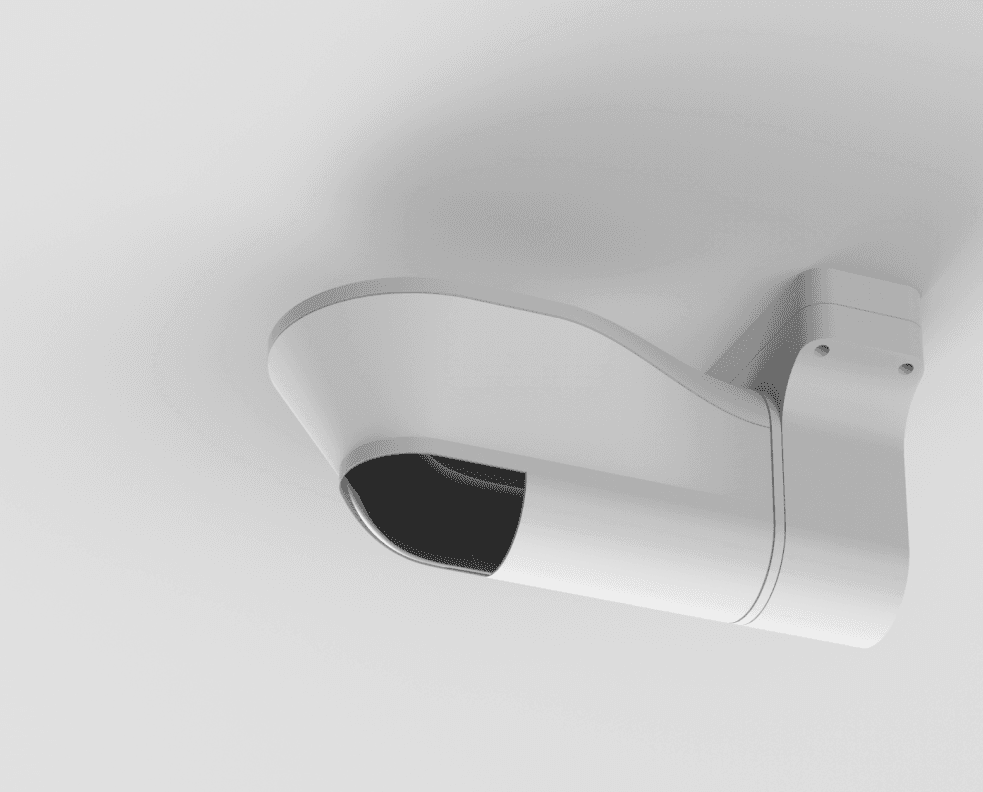
An industrial IoT camera designed to mount anywhere, built for the unpredictable reality of real manufacturing environments.
00
problem
"Industrial environments are not designed with cameras in mind. They are designed for machines, for processes, for the relentless business of making things. The surfaces are irregular, the structures are varied, and the optimal vantage point for monitoring a piece of machinery or securing a confined space rarely lines up with a standard wall or ceiling mount. Most IoT cameras are built as if every installation is a clean, predictable room. They aren't. A camera that can only mount in two orientations isn't a flexible tool. It's a constraint dressed up as a solution. The real problem wasn't the camera itself. It was that nobody had designed the mounting system for where cameras actually need to go.
solution
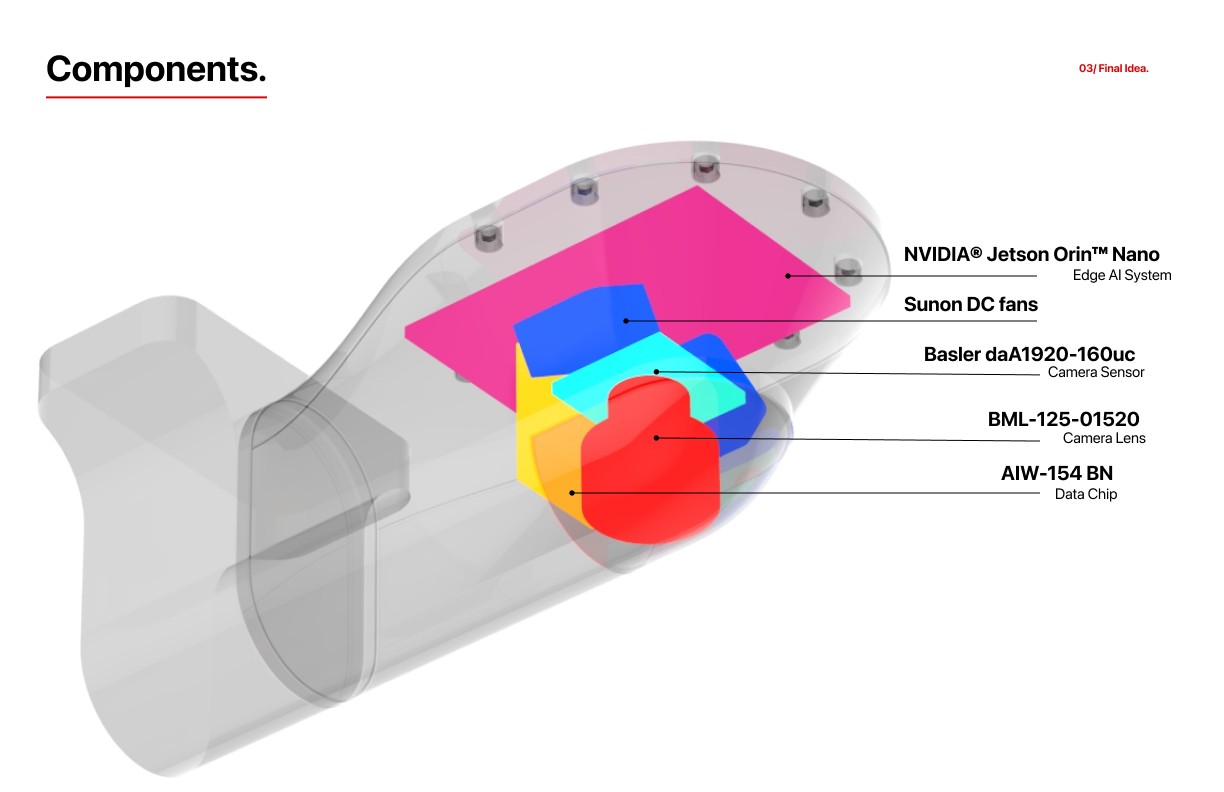
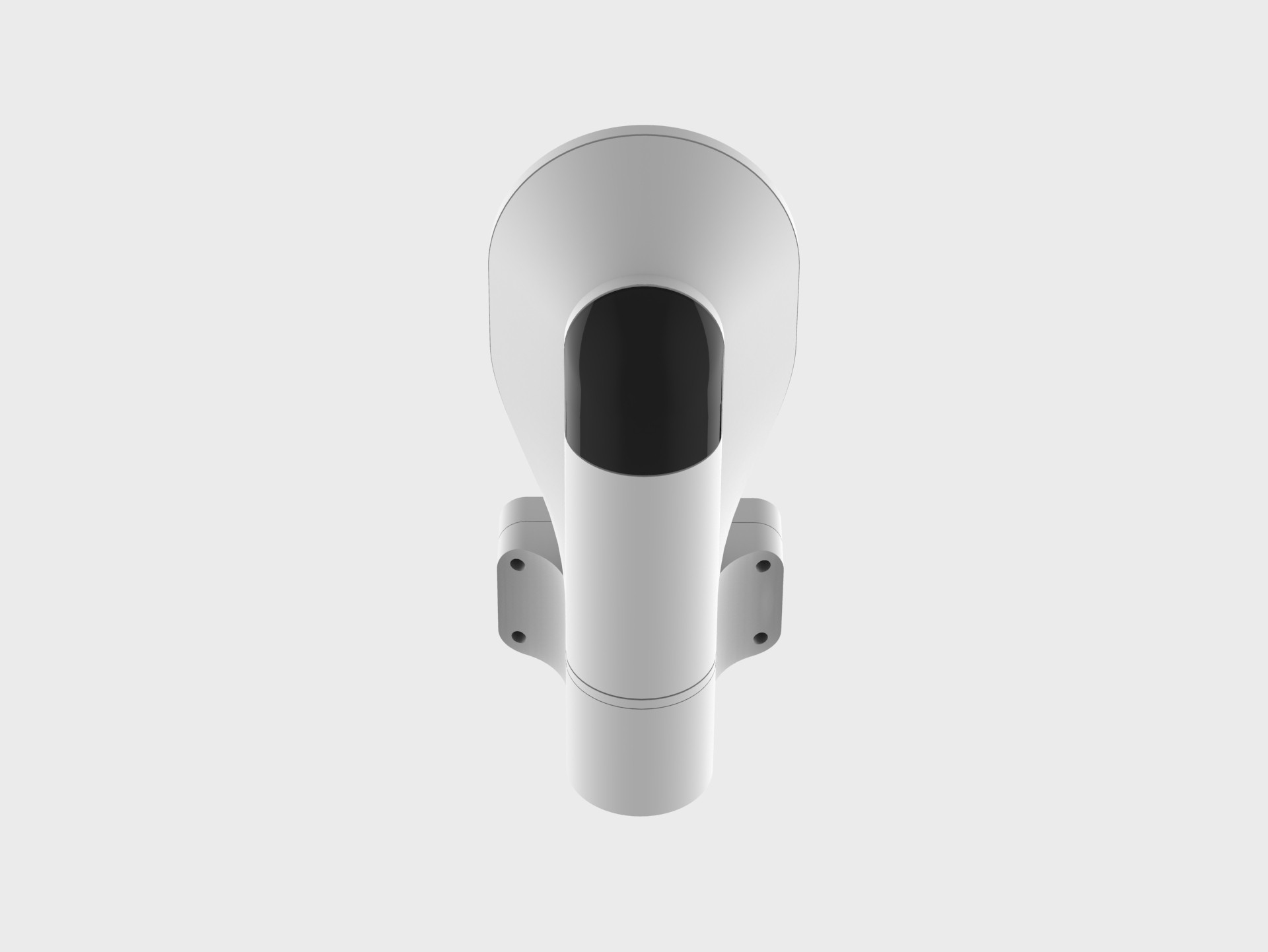
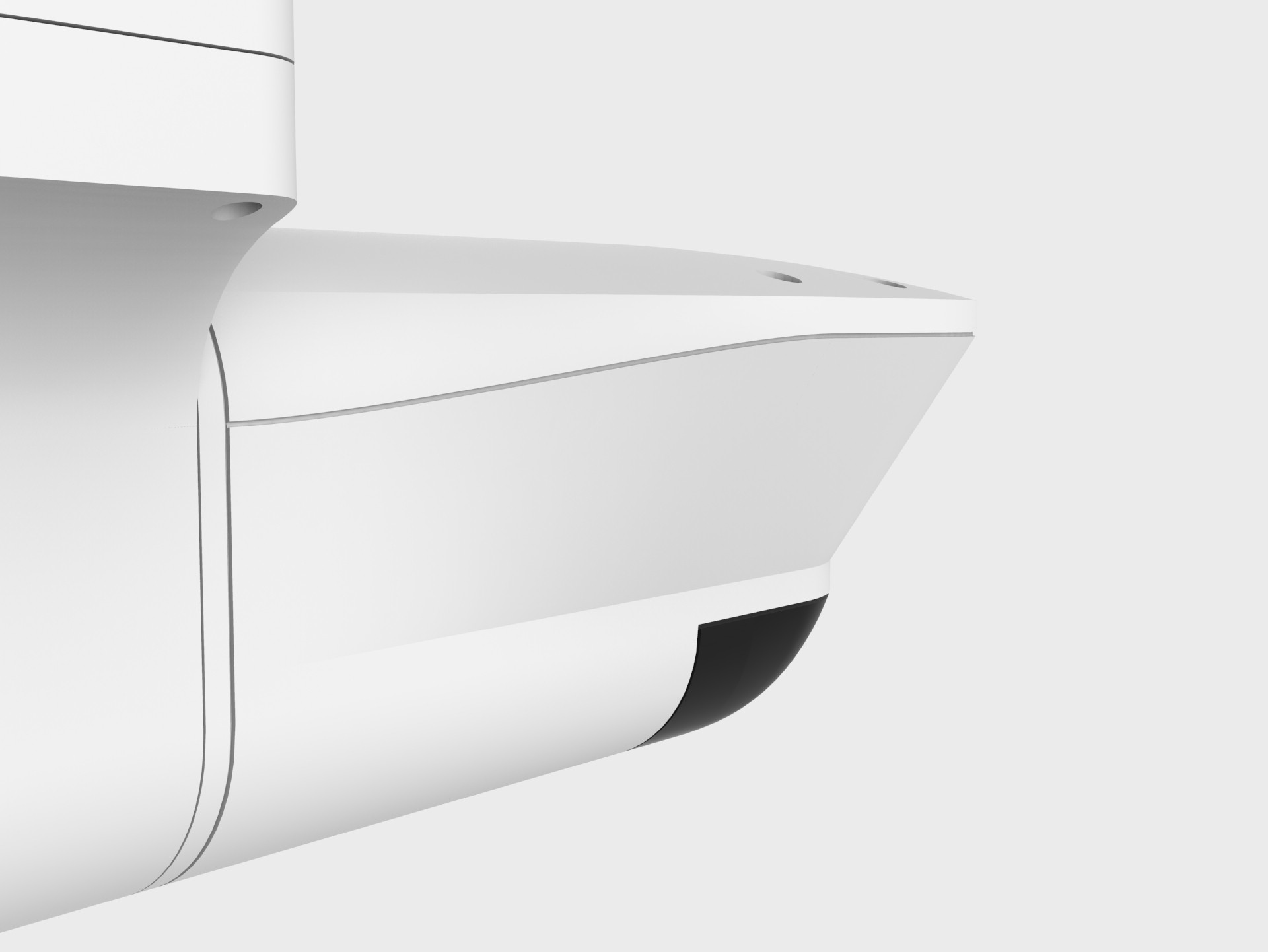
The answer started on the factory floor. Before sketching a single form, I visited real manufacturing facilities to understand what mounting actually looked like in practice, what structures were available, what angles were needed, and what a technician was realistically expected to do with their hands in a tight space. That research shaped everything. The result was EDGECAM, an industrial IoT camera designed from the inside out, with a mounting system capable of attaching to poles, I-beams, walls, and ceilings without requiring a different product for each surface. The internal components were mapped early and treated as design constraints rather than afterthoughts, ensuring the final form could actually hold everything it needed to. A competitive analysis kept the work honest, identifying where existing solutions fell short and where there was genuine room to add value. The design language landed somewhere between industrial and considered, rugged enough to belong in a manufacturing environment and resolved enough to feel like it was designed on purpose rather than assembled under pressure.
It was about every awkward angle, every unconventional structure, and every technician who had ever settled for a suboptimal view because the equipment didn't give them a choice.
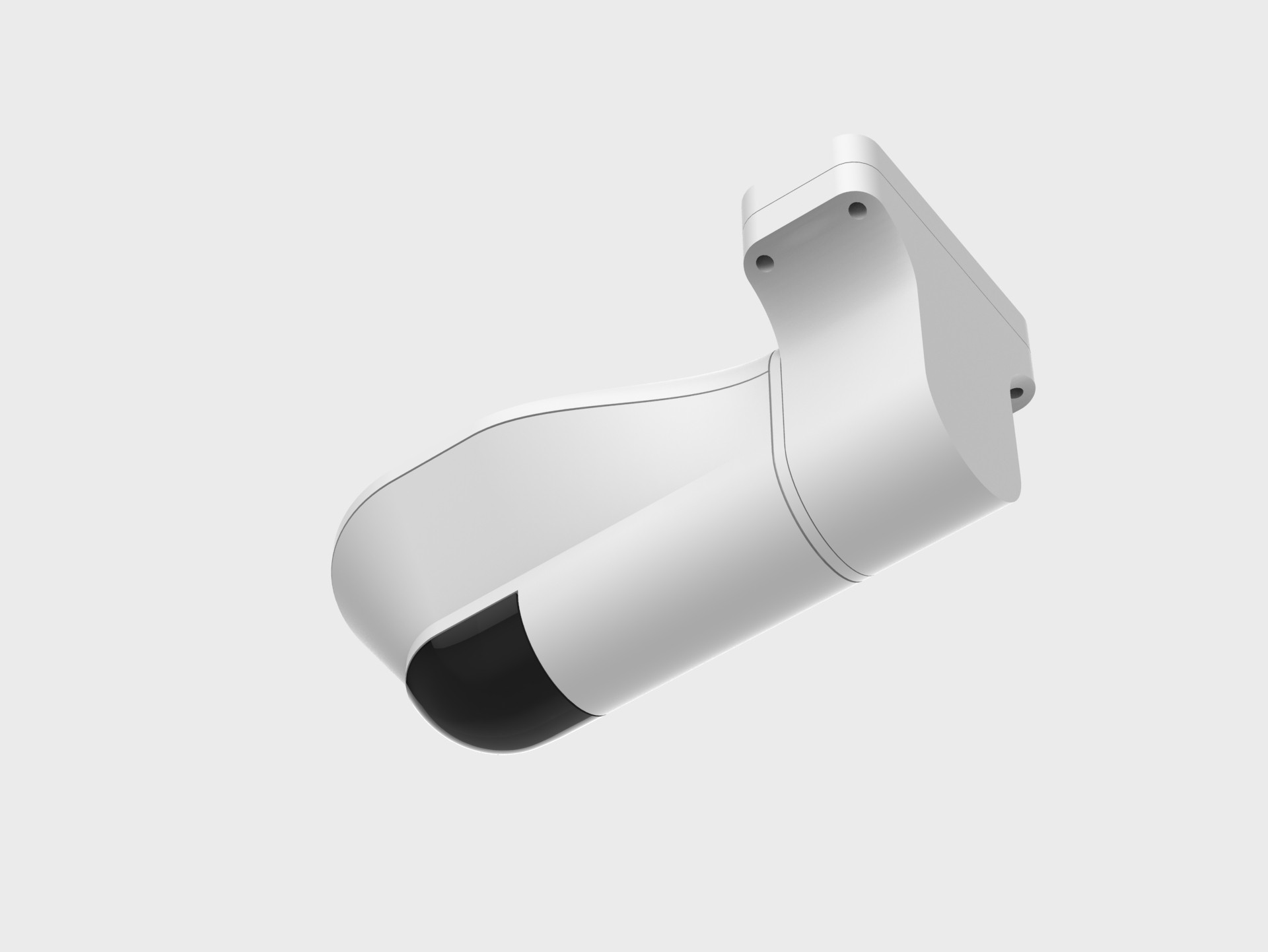
Throughout the process, the factory visits did what no brief could. Standing inside a real manufacturing facility, watching how cameras were actually mounted, how technicians worked around limitations, how a suboptimal angle became an accepted norm because nobody had offered a better option, made the design problem concrete in a way that research alone never could. The constraints weren't obstacles. They were the brief.
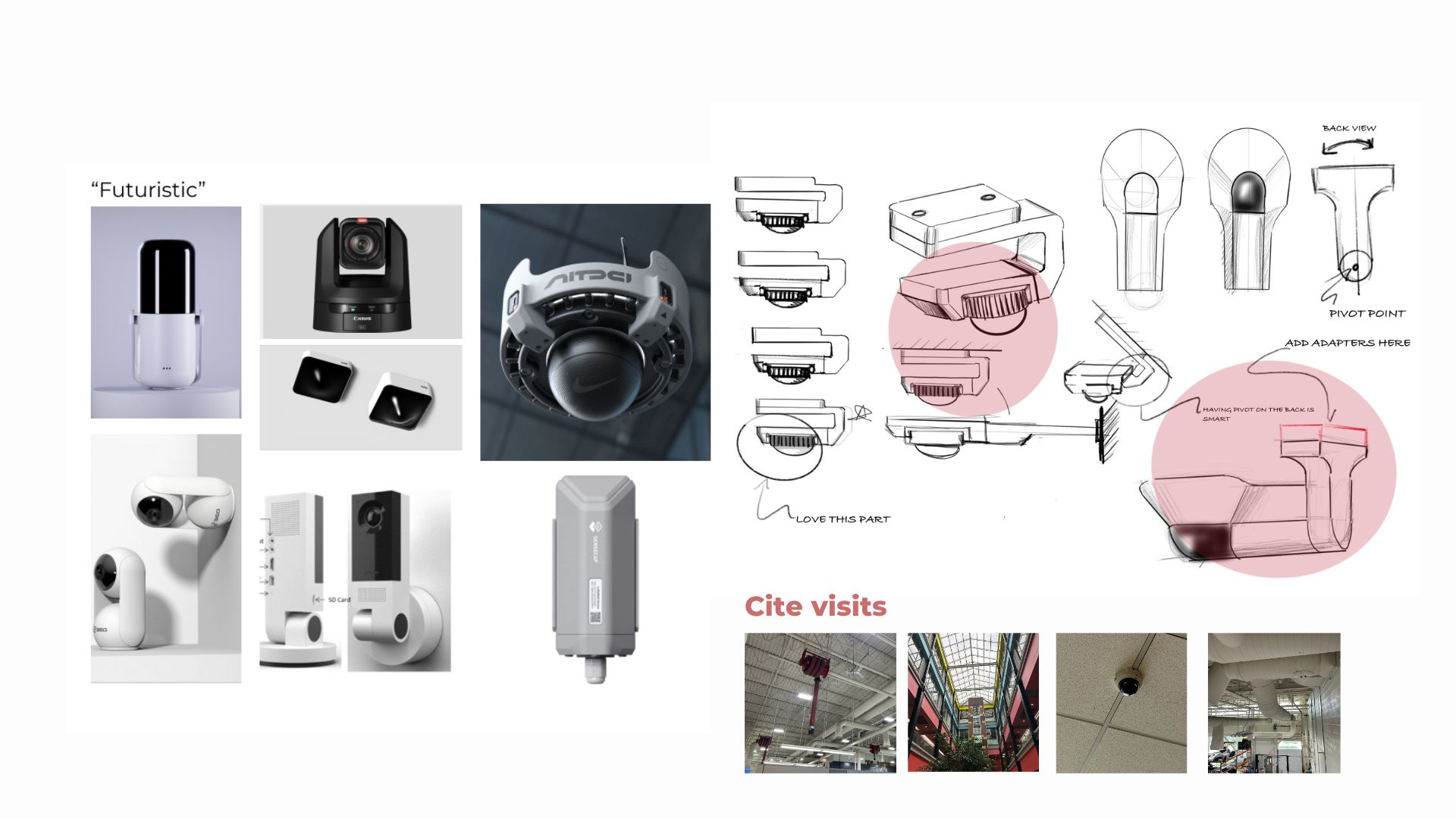
Working through the internals early was what kept the design honest. Knowing exactly what components needed to live inside the camera, before the form was finalised, meant every decision about shape and structure was grounded in what was actually possible rather than what looked good in a render. The sketches moved quickly because the parameters were clear. The mood board, industrial and considered, gave the visual language somewhere to aim without letting aesthetics drive decisions that engineering needed to make.
01
02
03
see also